
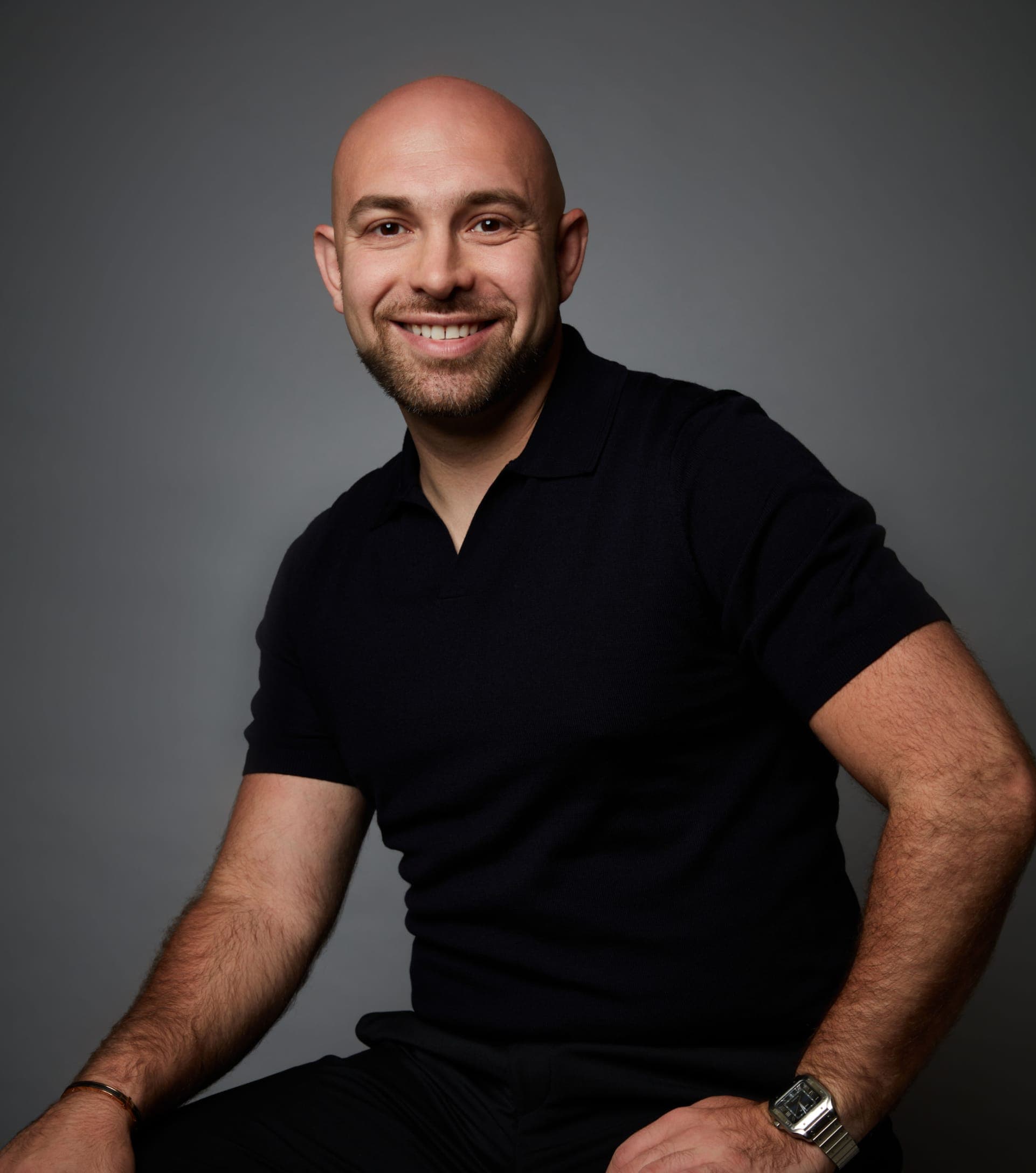
About the Practice
The practice, the approach, and the person treating you.
This is a focused practice rather than a general dental office with an added service line. The work is temporomandibular disorders, orofacial pain and dental sleep medicine, and the reason those three sit together is that they share anatomy, share causes, and are routinely made worse by being treated separately.
Why these three together
The jaw joint, the chewing muscles and the airway occupy the same small space and load each other continuously. Sleep bruxism frequently follows obstructive breathing events. An oral appliance that opens the airway loads the joint every night. Facial pain fragments sleep, and fragmented sleep lowers the threshold at which pain is felt. A practice treating only one of the three keeps handing the other two back untreated, which is the loop most people describe having been stuck in.
Diagnosis before treatment, reversible before irreversible
Most of the diagnostic work in this field comes from an unhurried history and hands-on examination rather than from imaging, and imaging is requested where it will change the plan rather than as routine. Treatment follows the same discipline: reversible measures are tried before irreversible ones, because enamel does not grow back and a bite that has been adjusted cannot be un-adjusted. Where something falls outside dental scope it is referred rather than treated around.
How New York care is structured
Care begins with a private virtual consultation from anywhere in New York. That is not a limitation dressed up as a feature — a video visit is a genuinely better setting for the long history these conditions require than a compressed first appointment. Where hands-on examination or treatment is appropriate, in-person appointments are arranged and the New York location is confirmed at booking.
Common questions
- Is this a general dental practice?
- No. The focus is temporomandibular disorders, orofacial pain and dental sleep medicine. Routine dentistry — check-ups, hygiene, fillings — stays with your own dentist, and we coordinate with them rather than replacing them.
- Do you work with my existing dentist or physician?
- Routinely, and it is usually necessary. Sleep apnea is diagnosed by a physician; periodontal disease is treated by your dentist or periodontist; headache disorders are co-managed with a neurologist. Records and findings are shared rather than duplicated.
Patients of Dr. Samadian
Written by patients treated across the Dion Health practices.
“I found myself dealing with a number of medical issues that I had no idea were so directly tied to my sense of oral wellbeing. The professionals at Dion Health helped me resolve my clenching and grinding, leading to better sleep and a more enjoyable lifestyle.”
“When I'm dealing with a run-of-the-mill dental issue—or need something more serious like an implant, bridge, or crown—I know I can trust the Dion Health network to provide me with the most advanced techniques, for results that last.”
“Showing off a glowing smile has me feeling more confident than I've ever felt in my life. Dion Health has fully rehabilitated my smile, resolving all my cosmetic issues with long-term solutions and helping me enjoy the self-esteem I deserve.”
Real patient stories
Patients Dr. Samadian has treated describe their experience in their own words.
Lindsay — TMJ patient
Olivia — TMJ patient
Chihiro — TMJ patient
Testimonials reflect the experiences of individual patients. Individual results vary.
Credentials and affiliations


Not sure which applies to you?
Most people arrive with symptoms, not a diagnosis. Request a virtual consultation and we will tell you what we think is going on.
Request a consultation